AI Art as a Method to Visualise Lived Experience
Now showing at the Learning and Development centre at Fieldhead Hospital in Wakefield, she told the bot and the bot understood is a photography and generative AI art exhibition exploring how (peri)menopause affects wellbeing at work. Co-created with NHS clinical staff working in frontline care at South West Yorkshire Partnership NHS Foundation Trust (SWYFT), the exhibition visualises lived experiences that often remain unseen.
The menopause, typically occurring between ages 45 and 55, marks a significant life transition, often accompanied by symptoms such as hot flushes, sleep disturbances, mood changes, and cognitive challenges. These symptoms can adversely affect work performance and overall wellbeing. In the National Health Service (NHS), where approximately 76% of staff are women, and 19% of the total workforce are of menopausal age, the impact is particularly pronounced (NHS Strategy Unit 2023).
During a range of workshops underpinned by Feminist Participatory Action Research and Photovoice (Wang, 1997), participants took pictures of their daily lives responding to the question: What impacts wellbeing in the workplace for (peri)menopausal women? Going a step further, participants generated AI artworks using Midjourney. Through focus groups and interviews, researcher Marielle Reuser explores whether engagement with generative AI tools can reveal what a camera alone cannot capture: the inner world of the participant’s mind.
Could AI Art be Photovoice 2.0?
This project aims to empower women with new technologies by implementing similar goals to Photovoice (Wang, 1997). Photovoice is a participatory action research strategy that may offer unique contributions to women’s health. Through photography, people can identify, represent, and enhance their community. As a practice based in the production of knowledge, Photovoice has three main goals: (1) to enable people to record and reflect their community’s strengths and concerns, (2) to promote critical dialogue and knowledge about important issues through group discussion of photographs, and (3) to reach policymakers.
With these goals in mind, Marielle brought the exhibition directly into public view — online and prominently displayed in the foyer of the main conference hall at Fieldhead Hospital. Throughout the project, ethical considerations around bias, labour, environmental impact, consent, representation, and participant wellbeing remained central. Please read more about that here.
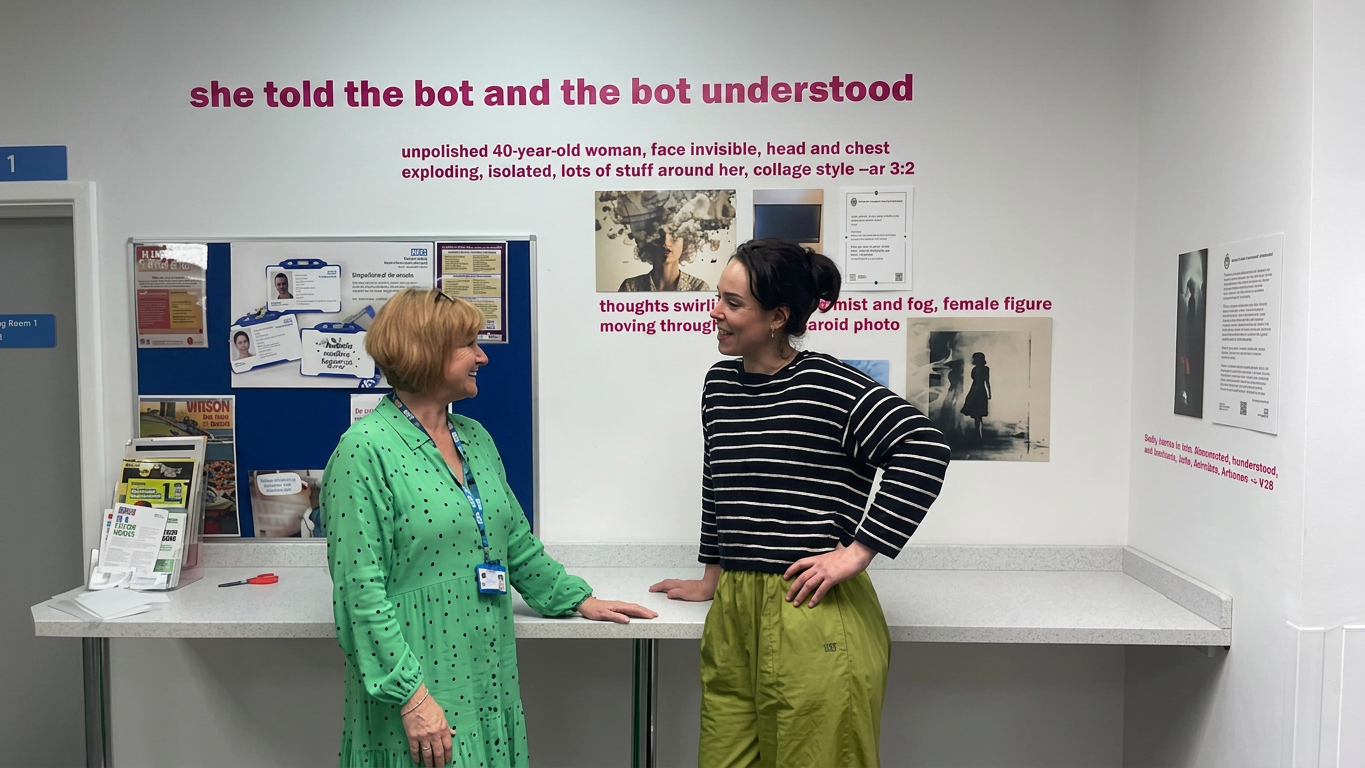
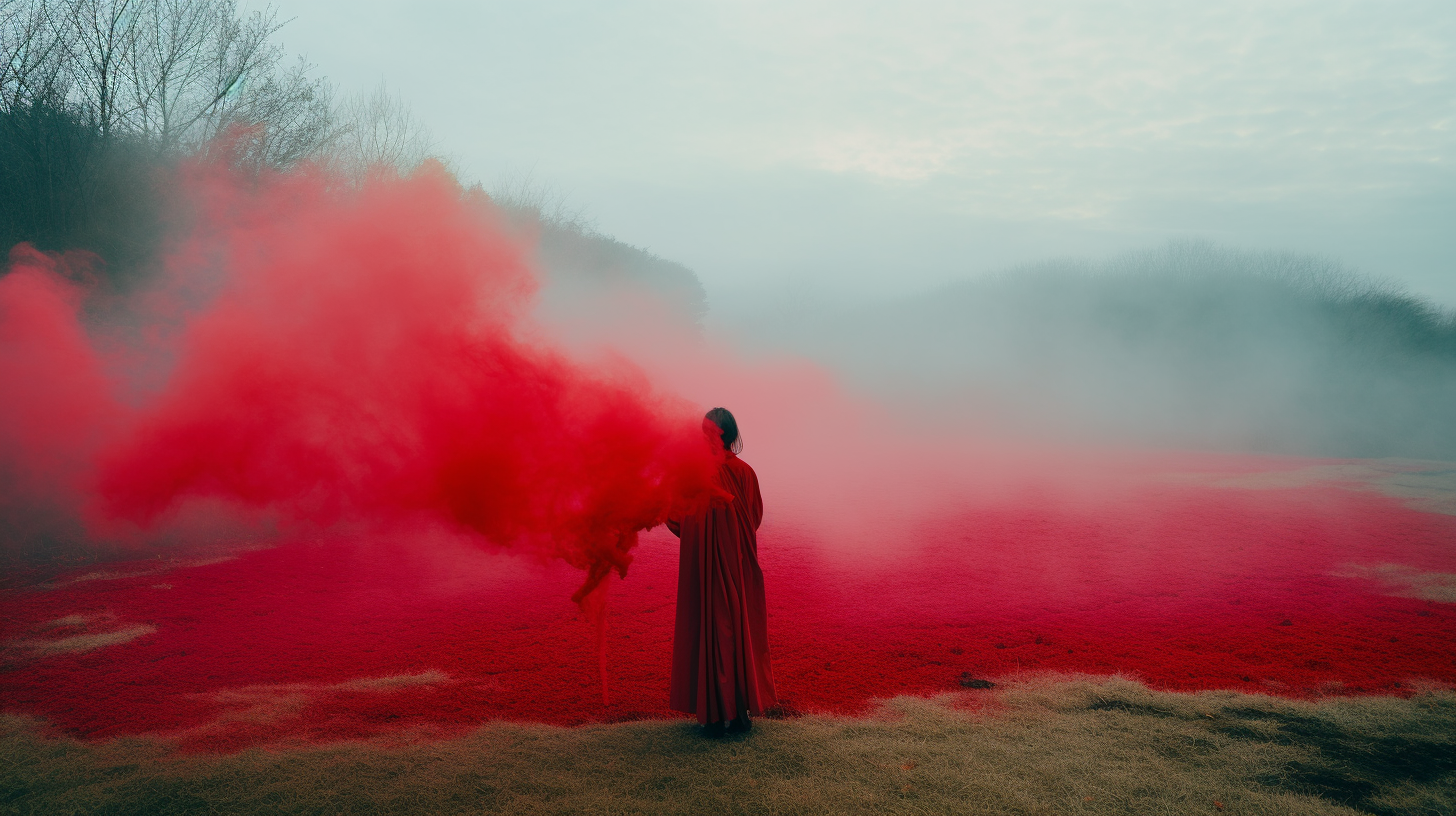
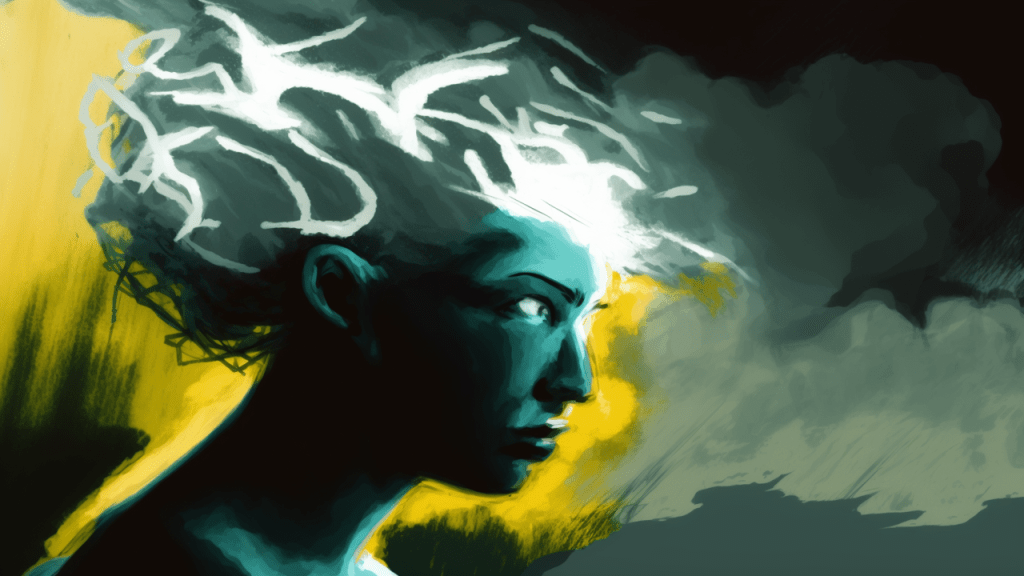
she told the bot and the bot understood is the result of Marielle Reuser’s PhD research project, AI Art as a Method to Visualise Lived Experience, supported by SWYPFT. Workshops have previously ran in conjunction with Leeds Beckett University, Menopause Live and Northern Powerhouse Boxing Academy in West Yorkshire, United Kingdom. The images below were created by Menopause Live delegates.




About the Researcher
Marielle Reuser is an arts-based researcher working within Arts & Health, exploring the lived experience of women’s health through creative and participatory methods. Before moving into research, Marielle worked in the video games industry, including 8 years at Rockstar Games (Red Dead Redemption II, Grand Theft Auto V) as a 3D Environment Artist and Illustrator. She has a keen interest in finding a positive use for generative AI. Her practice is grounded in feminist thinking, storytelling, and embodied approaches to research.